Optimizing Accessibility

Creating a home that supports safety, independence, and comfort is essential for many people. When we focus on optimizing accessibility we open doors to a better quality of life. Whether adapting for mobility challenges, aging in place or simply making daily tasks easier, Accessible Home Solutions make a real difference. I want to share practical ideas and helpful tips that anyone can use to transform their living space into a welcoming, safe environment.
Why Accessibility in Homes Matters
Accessibility is more than just ramps and grab bars. It’s about creating a space where movement is easy, risks are minimized, and independence is encouraged. Many homes were built without accessibility in mind. This can make everyday activities difficult or unsafe for anyone.
By making thoughtful changes, you can:
Reduce the risk of falls and injuries
Increase comfort and ease of movement
Support independence and confidence
Make your home welcoming for visitors of all abilities
For example, widening doorways allows wheelchair users to move freely. Installing lever-style door handles makes opening doors easier for those with limited hand strength. These small changes add up to big improvements.

Key Areas to Focus on for Accessibility
When optimizing your home, focus on areas where mobility challenges are most likely to cause problems. Here are some key spaces and practical recommendations:
Entrances and Exits
Install ramps with gentle slopes instead of stairs
Use non-slip surfaces on walkways and ramps
Ensure door thresholds are low or flush with the floor
Add motion-sensor lighting for better visibility at night
Bathrooms
Replace bathtubs with walk-in showers or add shower seats
Install grab bars near toilets and in showers
Use raised toilet seats for easier transfers
Choose lever faucets for easier control
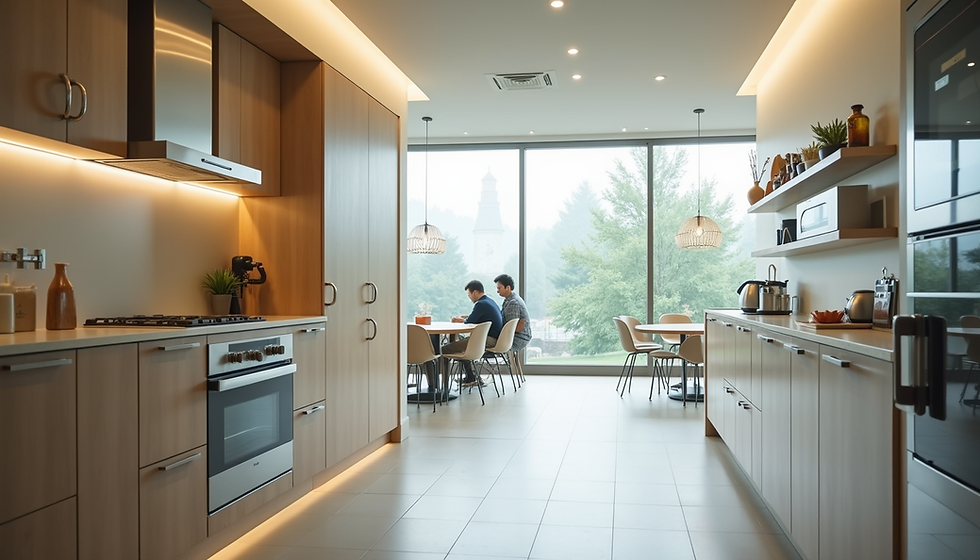
Kitchens
Lower countertops or create adjustable-height workspaces
Use pull-out shelves and drawers for easier access
Install touch-activated or lever-style faucets
Ensure appliances have accessible controls and are easy to reach
Living Areas and Bedrooms
Arrange furniture to allow clear pathways
Use adjustable beds or chairs with supportive features
Add sturdy handrails along hallways and staircases
Ensure light switches and outlets are at accessible heights
These changes help create a home that supports daily living with dignity and ease.
Older Homes
Many homes were built long before accessibility was a consideration. This makes renovations and adaptations especially important in older homes to meet modern accessibility needs.
Older homes often have narrow doorways, steep stairs, and uneven floors. These features can be challenging for anyone with mobility issues. When working on accessibility improvements in historic homes, it’s important to balance preserving character with making practical changes.
Practical Steps to Start Your Accessibility Renovation
Starting a home accessibility project can feel overwhelming, but breaking it down into manageable steps helps. Here’s a simple plan to guide you:
Assess your needs - Identify specific challenges and daily tasks that are difficult.
Prioritize changes - Focus on the most critical areas first, such as entrances or bathrooms.
Consult professionals - Work with contractors or occupational therapists who specialize in accessible design.
Plan your budget - Determine costs and explore funding options or grants if available.
Implement changes gradually - You don’t have to do everything at once. Start with small improvements and build from there.
Test and adjust - After changes, test how well they work and make adjustments as needed.
For example, if getting into the house is a challenge, start by installing a ramp and handrails. Once that is comfortable, move on to bathroom modifications. This approach keeps the process manageable and encourages steady progress.

Encouragement for Your Accessibility Journey
Making your home accessible is a powerful step toward safety and independence. It’s normal to feel uncertain at first, but remember that every change you make improves your daily life. You deserve a home that supports your needs and lets you enjoy your space fully.
Take pride in each improvement, no matter how small. Reach out for help when you need it. There are many resources and experts ready to support you. Your home can become a place where you feel secure, comfortable, and free to live life on your terms.
By focusing on accessibility, you are investing in your future and well-being. Keep moving forward with confidence. Your home can be a true sanctuary.
I hope these insights inspire you to take the next step in optimizing accessibility in your home. Remember, accessible living is about creating a space that works for you today and tomorrow. You are not alone on this journey, and with the right support, your home can be a place of safety, comfort, and independence.


Comments