Smart Lighting for a Safer, More Comfortable Home—Day and Night
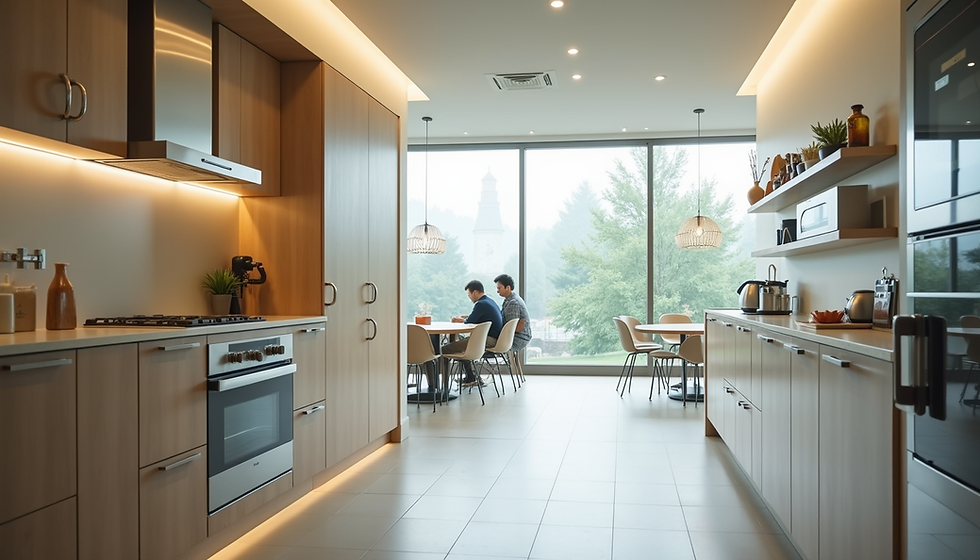
Good lighting is more than a design choice—it supports safety, comfort, independence, and confidence at every stage of life. Smart lighting makes it easier to create the right amount of light for daytime tasks and nighttime movement, whether you are a senior, a person with a disability, someone who is shorter or taller, or simply looking for a more comfortable home.
Why daytime lighting matters
During the day, bright and well-directed light can reduce shadows, improve visibility, and make everyday activities easier. Smart lighting lets you adjust brightness and colour temperature for cooking, reading, working, cleaning, or relaxing. Automated schedules can also open curtains, brighten key areas, or gradually increase light in the morning—helping your home feel welcoming without requiring you to search for a switch.

Why nighttime lighting matters
Nighttime navigation is especially important in hallways, bathrooms, bedrooms, and stairways. Motion-activated pathway lights can provide gentle illumination without creating glare or fully waking you. A low-level night setting can help reduce trip and fall risks while making it easier to move around safely and confidently.
Lighting that works for everyone
A truly accessible lighting plan recognizes that every person and every home is different. Smart controls can be operated by voice, phone, remote, wall switch, or motion sensor. This flexibility is helpful for people with limited reach, reduced mobility, visual sensitivities, changing needs, or different preferences within the same household.
Consider smart lighting in these key areas:
Entryways and hallways, to make arrivals and movement safer.
Stairs, with consistent lighting and motion activation.
Bathrooms, with a soft nighttime setting and brighter task lighting.
Kitchens and work areas, with focused light that reduces shadows.
Bedrooms, with bedside or voice-controlled options that are easy to reach.

A small change with a big impact
Smart lighting does not need to be complicated. Even one motion sensor, a bedside control, or an automated schedule can improve daily routines. With thoughtful planning, lighting can help reduce hazards, support independence, and make a home feel more comfortable for everyone.
At Accessible Home Solutions, we believe accessibility should enhance both safety and style. If you are considering smart lighting or other home modifications, we can help you plan practical solutions around the way you live.


Comments